Biografía
Carlos Núñez está considerado internacionalmente como un músico extraordinario, de los más serios y brillantes del mundo…
Pero además es un Artista con mayúsculas. Su carisma, su energía, su espíritu pionero lo han hecho muy popular, transcendiendo con creces los límites habituales de sus instrumentos: la gaita y las flautas.
A los ocho años, Carlos decidió aprender de los viejos maestros los secretos de la música popular y de la gaita y a los 12 ya fue invitado a tocar como solista con la Orquesta Sinfónica de Lorient una composición del irlandés Shaun Davey. Poco después comenzó a estudiar flauta de pico en el Conservatorio de Madrid con calificaciones de Matrícula de Honor y Premio Extraordinario Fin de Carrera. En 1989 grabó por primera vez con The Chieftains para la banda sonora del filme La isla del tesoro, protagonizado por Charlton Heston y Oliver Reed.
Desde entonces Carlos Núñez es el séptimo Chieftain y junto a ellos ha conseguido un Premio Grammy, ha actuado en el Carnegie Hall de Nueva York y en el Royal Albert Hall de Londres al lado de artistas como Bob Dylan, Joni Mitchel, The Who, Lou Reed, Spin Doctors, Eddie Vedder (de Pearl Jam), Bon Jovi, Alice Cooper, INXS…
Cuando en 1996 publicó A irmandade das estrelas, su primer álbum en solitario, Carlos Núñez ya era un artista reconocido en todo el mundo. El disco vendió más de 100.000 ejemplares en España y significó la mayoría de edad de la world music en nuestro país. En A irmandade das estrelas colaboraban más de 50 músicos, entre ellos The Chieftains, Ry Cooder, Luz Casal y Dulce Pontes.

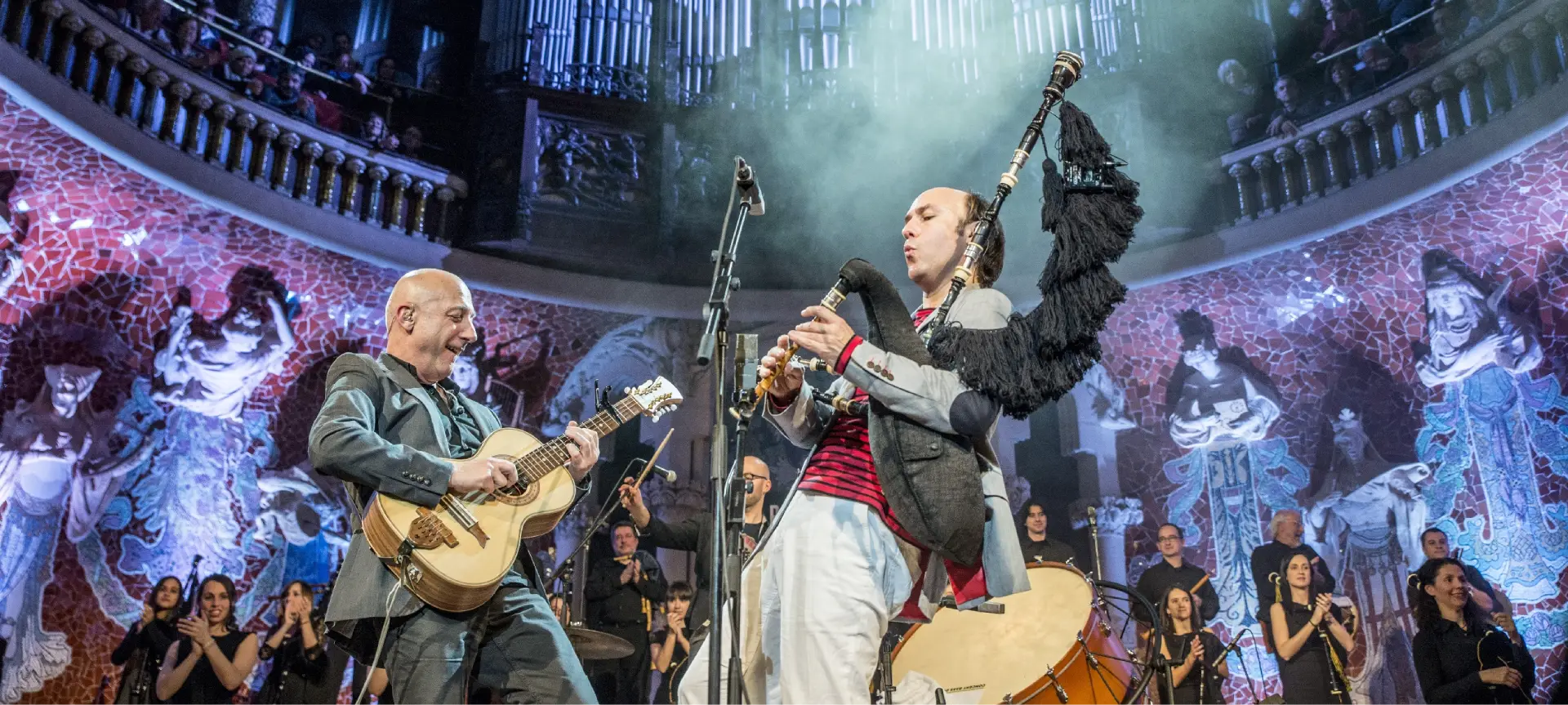
En 1999 se editó Os amores libres, su segundo álbum que vendió más de 250.000 ejemplares en España, un acontecimiento extraordinario para la música popular hecha en España con alcance internacional. Grabado en diez países diferentes a lo largo de dos años, Os amores libres exploraba las conexiones entre la música celta y el flamenco con la participación de artistas como Jackson Browne, Noa, Mike Scott (de The Waterboys), Teresa Salgueiro (de Madredeus), Carmen Linares, Vicente Amigo, Cañizares, Carles Benavent, Sharon Shannon, Dan Ar Braz, músicos andalusís de Marruecos y gitanos de Rumanía…
Con sus dos primeros discos, Carlos Núñez se había convertido en uno de los grandes de la música popular mundial por su capacidad para traspasar fronteras, reunir músicos de diferentes países y estilos y crear una música personal, enraizada y pluricultural. El precio fue un enorme desgaste personal. Se imponía un retorno a la sencillez.
Su tercer disco, Mayo longo, se publicó en el 2000 y significó el acercamiento natural de Carlos Núñez a estructuras más pop, que aumentó su reconocimiento popular alcanzando el No. 1 en las más importantes radio fórmulas. Fue también el descubrimiento de Carlos como compositor, en alguna canción en colaboración con Roger Hodgson (de Supertramp) y con Sharon Shannon, Liam O’Flynn y Ronnie Drew de The Dubliners como invitados de lujo. Mayo longo signifcó la mezcla de lo experimental con la tradición, la nueva inquietud de un artista permanentemente inquieto.
Al finalizar su contrato con BMG y para hacer balance, se publicó en 2002 una antología, Todos os Mundos, que incluía además de una selección de su obra, grabaciones que había realizado para discos de otros artistas como Andreas Vollenweider, Sharon Shannon o Liam O’Flynn.
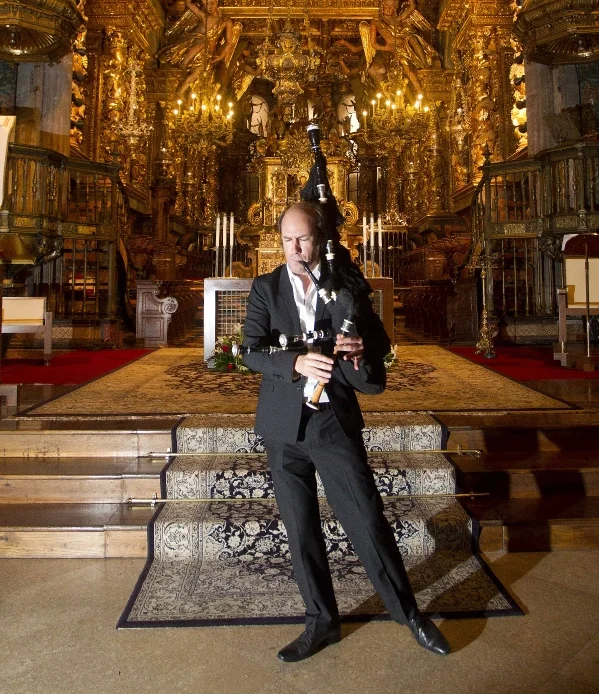
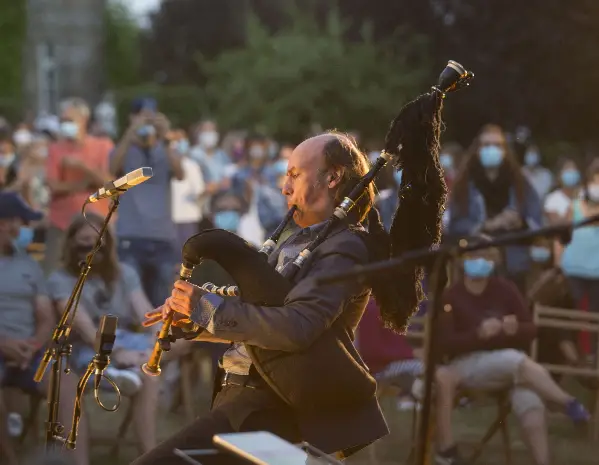
Con 30 años edita su primer disco con Sony, Almas de Fisterra, de 2003, que supuso su afianzamiento en el mercado francés. Un disco de hermandad entre los Finisterres, el nuestro y el de Bretaña, esa Galicia soñada del Noroeste de Francia. Tanto se parecen estas tierras en sus paisajes, en sus gentes, en su forma de vida, en su música…que hasta tuvieron una marea negra con el “Erika”, por lo que 3 años después, desde el primer momento de la catástrofe del “Prestige” se han volcado en mostrar su solidaridad con Galicia, representada para ellos por Carlos, “le galicien”.
Durante tres años –en los que prácticamente vivió en Bretaña- Carlos seleccionó lo mejor de las músicas de ese mítico país de druidas, magos, dólmenes y menhires. Se acompaña en este disco de los mejores músicos de Bretaña, algunos legendarios, como Alan Stivell, el guitarrista Dan Ar Braz o el bardo Gilles Servat; otros desconocidos, como viejos músicos de la Bretaña profunda que conservan todo el sabor y la pureza de la música celta, hasta colaboraciones de figuras internacionales como Jordi Savall a la viola de gamba o Liam O’Flynn a la gaita irlandesa, o la voz de hada de la bellísima irlandesa, Eimear Quinn. Se grabó incluso un bonus track con la gran Montserrat Caballé acompañada de un coro gregoriano gallego y un bagad bretón.
2004 ve la primera gran colaboración de Carlos con el mundo del cine, y por la puerta grande. Alejandro Amenábar le pide una canción del primer disco para su nueva película Mar Adentro y ésto acaba desembocando en la colaboración de Carlos en prácticamente toda la banda sonora de la película, que ganaría un Oscar, así como 14 Premios Goya incluido el de música.
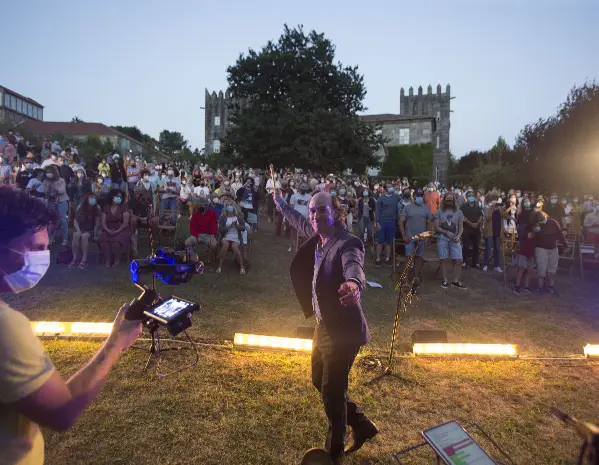
En pleno mes de julio de ese año, en el Auditorio de Castrelos en Vigo, se grabó en directo un espectacular DVD y un CD, Carlos Núñez & Amigos ante 30 000 de sus paisanos, que llegó a DVD de oro. Hacía 20 años, que Carlos pisara por vez primera ese escenario. Tenía 13 años y allí conoció a The Chieftains, que quedaron prendados de aquel niño, ya maestro de la gaita. Al cumplir 33 años, el músico nacido en el puerto de Vigo, quiso unir las dos celebraciones con un concierto en el mismo escenario que le descubrió como artista. Allí volvió a reunirse con sus viejos amigos The Chieftains, con la acordeonista irlandesa Sharon Shannon, con el argentino León Gieco, con la banda de gaiteros The National Youth Pipe Band of Scotland.
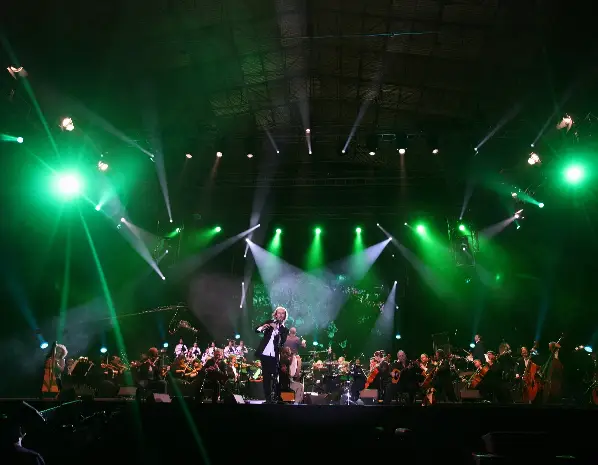
En 2006 se edita Cinema do Mar, en el que explora el mundo de las bandas sonoras, desde Mar Adentro hasta las varias bandas sonoras en las que ha participado últimamente, sobre todo en Japón, pasando por versiones celtas de grandes clásicos del cine. En el disco colaboran los Chieftains, Dulce Pontes, Ryuichi Sakamoto, Altan, Solas, Juan Manuel Cañizares… Muy apropiadamente, este disco se acompaña de una película documental de 1 hora, basada en imágenes inéditas rodadas por el propio Carlos o su entorno con una Mini DV y montadas con gran dinamismo y humor por el joven cineasta Robert Bellsolá, que nos muestran una visión desconocida de Carlos y su particular forma de vivir y de hacer música.
Despues de 3 años de pesquisas, en 2009 ve la luz Alborada do Brasil, un disco en el que Carlos nos decubre las conexiones entre la Música Celta – la gallega en particular – y la Música Brasileña. En el disco participaron Carlinhos Brown, Lenine, Adriana Calcanhotto, Fernanda Takai, Dominguinhos y muchos otros músicos de Brasil así como los maestros irlandeses The Chieftains. El disco tuvo una acogida impresionante, en España, El País dijo que era “sorprendente”, ABC “bello”, Le Monde (Francia) “cautivador”, ganó el Premio de la Crítica Alemana, en Argentina, Clarín lo calificó de “imprescindible” y en La Nación lo escogieron entre los 5 mejores del año.
También el directo arrasó, el británico The Times le dio nada menos que 5 estrellas a la presentación del disco en el Reino Unido. Todo el proceso de investigación se plasmó en un documental Brasil somos nós, dirigido de nuevo por Robert Bellsolà, que presta especial atención a la historia del bisabuelo de Carlos, músico como él que emigró a Brasil y desapareció, hasta que se descubrió que en realidad había iniciado una nueva vida como músico de éxito en el Rio de Janeiro de la Belle Époque. Parte de esta aventura brasileña fue también la grabación de la banda sonora para el Grupo Corpo, la más reputada compañía de danza del Brasil, basada en las Cantigas de Martin Codax, junto a José Miguel Wisnik, con voces como las de Milton Nascimento o Chico Buarque.
A lo largo de estos años, Carlos Núñez ha vendido más de 1.000.000 discos en el mundo, ha obtenido un Premio Ondas, dos candidaturas en solitario a los Grammy latinos y galardones en todo el mundo. Ha sido nombrado Embajador Europeo del Medio Ambiente y ha actuado en Roma ante dos millones de personas convocadas por el Papa. Ha sido definido como “la única estrella planetaria de la gaita” (François-Xavier Gómez, Libération), “el nuevo rey de los celtas” (Manuel Rivas, El País), “el Jimi Hendrix de la gaita” (Scott Lewellyn, Billboard), “el gaitero de oro” (Xabier Rekalde, El Mundo), “artista de una musicalidad sobresaliente y un talento inteligente” (Jan Fairley, Folk Roots), “gaitero como si tocase Coltrane o Hendrix” (Bob Flynn, The Guardian)… No hace falta continuar.